Nutritional quality and animal welfare both play a role in how people choose their beef in Canada, but figuring out the differences between grassfed beef and conventional beef isn’t always straightforward. I’ve taken a close look at the facts, nutritional info, and common questions so you can feel more confident at the grocery store or butcher shop. This breakdown shows what makes grassfed and conventional beef different, and offers some tips on picking what works best for your lifestyle and priorities.
Understanding Grassfed Beef and Conventional Beef
The way cattle are raised in Canada makes a real difference in the type of beef you’ll find at the butcher or supermarket. Grassfed beef comes from cattle that spend their days grazing on pasture and eating mostly grass or forage for most of their life. In contrast, conventional beef (sometimes called grainfinished or feedlot beef) is typically raised on pasture at first, but moved to a feedlot and switched to a grainbased diet before slaughter. This finishing period can last several months and the diet usually includes corn, barley, or soy.
These differences in diet and living conditions affect not just how the meat tastes, but what’s in it nutritionally. Many people I talk to are surprised at just how much the growing environment can shape what ends up on your plate.
Nutrient Profiles Compared
Plenty of Canadians wonder if grassfed beef is nutritionally better for you, or if the differences are actually pretty small. Looking at the data, some nutrients do stand out when comparing these two options:
- Fat Content: Grassfed beef usually has less total fat. This makes it a bit leaner than most conventional cuts. That changes both taste and texture; some people find grassfed beef tastes a little more complex and slightly “gamey.”
- Omega-3 Fatty Acids: Grassfed beef generally contains higher levels of omega3 fatty acids, the same healthy fats found in salmon and flaxseeds. These fats are linked to heart health in many studies (source: HealthLink BC).
- Omega-6 to Omega-3 Ratio: Most Canadian diets are high in omega6 fats and low in omega3s. Grassfed beef can help lower that ratio in your diet, while conventional beef tends to have a higher omega6 to omega3 profile due to the grains in feedlot diets.
- Vitamins and Antioxidants: Some studies show grassfed beef has more vitamin E, vitamin A (in the form of betacarotene), and a higher concentration of antioxidants like glutathione. These benefits come from the cattle eating fresh pasture.
- Conventional Beef Strengths: Grainfinishing can result in beef that’s a bit more marbled and tender, which appeals to a lot of people who enjoy that classic steakhouse flavour and texture. Both types of beef are strong sources of protein, iron, zinc, selenium, and B vitamins, no matter how the cattle are raised.
It’s also worth pointing out that Grassfed beef and conventional beef can sometimes vary in calorie content too. Typically, leaner grassfed steaks will have slightly fewer calories ounce for ounce compared to a conventional, wellmarbled steak. For healthconscious eaters, that might be an added bonus—though these gaps aren’t huge if you practice moderation.
How Farming Practices Shape Beef Quality
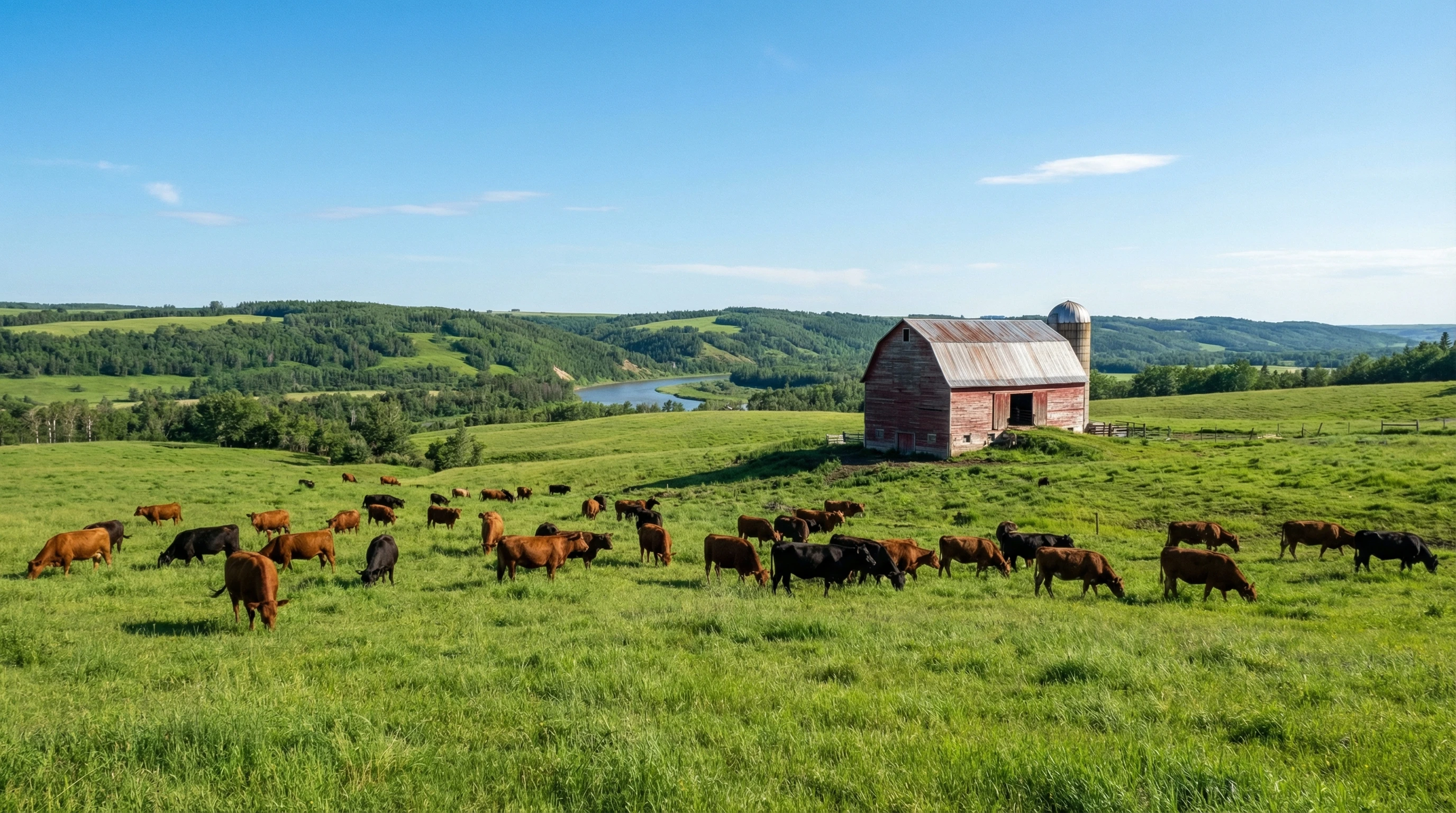
It’s not just the nutritional differences that people care about. The way beef is produced in Canada has a big impact on local environments, animal welfare, and even small family farms. Grassfed cattle spend more time outside eating pasture, which many consumers feel supports better animal welfare and environmental sustainability. There’s also less dependence on large feedlots and imported grain.
Conventional beef systems can feed more people by using less land, and some Canadian feedlots follow strict animal health and environmental regulations (source: Canada Beef). But grainfinishing cattle creates more manure and can be tough on local waterways if not managed carefully. Ask around at your local farmers market to get a sense of how different farms handle these issues.
In rural areas, local grassfed beef operations sometimes use rotational grazing to help restore soils and encourage native plants. This approach can offer environmental payoffs that aren’t always immediately obvious, like improved groundwater retention and healthier plant diversity. However, grassfed beef production usually takes longer from birth to harvest since cattle grow at a slower pace without grain supplements, and that can bump up prices at checkout.
Common Concerns and What Labels Really Mean
Walking through any Canadian supermarket, you’ll see labels like “grassfed,” “grassfinished,” “organic,” or “natural.” The differences can be confusing:
- Grassfed: In Canada, this generally means cattle primarily ate grasses and forages, but may have had grain at the end of their lives. For beef to be “grassfinished,” no grain is fed at any stage.
- Organic: Organic beef must follow Canadian Organic Standards, which means cattle eat mostly organic forage, but may be given supplementary organic grain. Pesticides, synthetic hormones, and antibiotics are heavily restricted.
- Antibiotics and Growth Hormones: Many conventional producers in Canada use these inputs to prevent disease or promote faster growth. Some people choose grassfed or organic beef to avoid them, though Canadian regulations control withdrawal times for any animal treatments before slaughter (source: CFIA).
If label claims are important to you, it’s worth talking directly to your butcher, local farmers, or reading up on producer websites for extra details. If you’re still unsure about what a claim or label means, most grocers and farmers’ markets are happy to explain their sourcing too. Some stores highlight which farms their beef comes from, giving shoppers a chance to pick options that match their own values about health, the environment, or local business.
Practical Tips for Choosing Beef in Canada
Picking the right beef depends on what you value—flavour, nutrition, price, environmental impact, or animal welfare. Here are some quick things I keep in mind when shopping:
- Flavour and Texture: If you want beef with robust flavour and don’t mind slightly leaner cuts, grassfed is really enjoyable grilled or in stews. For buttery, tender steaks, grainfinished beef might be more your thing.
- Nutrition: For a boost in omega3 fats and certain vitamins, grassfed beef stands out. For protein, iron, and most B vitamins, both choices work well; just keep an eye on healthy portion sizes.
- Budget: Grassfed and organic beef are often pricier because of the slower growth and smaller farm operations. Watch for local sales or buy direct from a farmer to save money and get fresher cuts.
- Supporting Local Farms: Buying beef from Canadian family farms can be a nice way to support your community and learn more about farming practices. Plus, local producers can tell you exactly how their animals are raised.
Some experts in nutrition suggest mixing things up—blending grassfed ground beef with regular ground beef in meatballs or chili. This way, you get a combination of texture, flavour, and nutritional perks while watching your grocery budget.
Things That Might Sway Your Decision
Cooking with grassfed beef is a bit different than conventional beef. Since it’s leaner, I try to avoid overcooking it; using lower heat and marinating helps keep it tender. For burgers or meatballs, mixing in a bit of oil or chopped veggies can keep the texture juicy. If you’re after a classic steakhouse experience, grainfinished beef often gives that meltinyourmouth feel without much fuss.
Storage and shelf life are also a consideration. Both types of beef keep well in the fridge or freezer if properly wrapped. If you buy directly from a farm, you’ll often have to manage larger cuts or even whole sides, so a good freezer is really handy.
Whether you’re mealplanning for a week or stocking up for winter, buying a variety of beef cuts can help you stretch your dollar and experiment with recipes. Soups, stews, tacos, or slowcooked roasts all work wonderfully with either kind of beef—sometimes, it’s just about personal taste and convenience.
Frequently Asked Questions
People ask me about grassfed and conventional beef all the time, so here are a few quick answers to common questions in Canada:
Question: Does grassfed beef taste different from regular beef?
Answer: Yes, most people notice grassfed beef has a slightly earthier or more complex flavour. It can also be a bit chewier because it’s leaner.
Question: Is grassfed beef always antibioticfree in Canada?
Answer: Not necessarily; unless it’s also labelled “antibioticfree” or “organic.” Canadian producers do have rules on how and when antibiotics are used, but check labels for extra peace of mind.
Question: If I want the healthiest option, which beef should I choose?
Answer: Grassfed beef contains more omega3s and antioxidants, but both types are good protein sources when eaten in moderation. A balanced diet, lots of veggies, and paying attention to portion size matter most.
Question: What about the environmental impact?
Answer: The debate is ongoing. Grassfed beef supports more natural pastureland, but takes longer to produce. Conventional beef is more efficient but uses more grains, fertilizers, and energy in feedlots. Local, regenerative farms sometimes offer a middle ground.
Beef at Home: Cooking and Storage Ideas
Making the most out of your beef is pretty easy with just a few tweaks. For grassfed beef, lower-temperature cooking methods and longer marinades are helpful. I often use it in slowcooked stews, stirfries, or sliced thin for sandwiches. If you’re going to BBQ, keep a close eye on cooking times to avoid drying out the meat.
For Canadian winters, nothing beats a classic beef stew or roast using local potatoes, carrots, and parsnips. Both grassfed and conventional beef work great in these dishes; sometimes, I blend them for bulk without sacrificing flavour on a budget.
Another way to make mealtime easier is batchprepping and freezing cooked beef portions. This saves time during busy weeks and lets you add a hit of protein to salads, grain bowls, or wraps straight from the freezer.
Final Thoughts
Finding the right beef for your family is really about what fits your budget, taste, and values. Canadian shops have lots of options now, so careful research helps buyers make informed decisions. Grassfed beef brings some extra nutrients and a unique taste, while conventional beef is widely available and fits more classic recipes and smaller budgets. Whichever way you go, supporting local farmers and knowing what you’re getting is pretty important for anyone who cares about what goes on their plates.
Wrapping up, the best choice often comes down to what matters most to you. Whether it’s nutritional perks, animal welfare, supporting Canadian producers, or just enjoying a delicious meal, knowing your options puts you in control at the butcher counter or grocery aisle. Enjoy experimenting in your kitchen and checking out all the flavorful choices Canadian beef producers offer today.