
Cooking grassfed beef is a rewarding experience once you get the hang of it. The flavour, nutrient profile, and texture really set it apart from conventional beef. While there’s a bit of a learning curve, especially for Canadians used to standard grocery store cuts, the real magic happens when you have the right tips and techniques under your belt. I’ve spent plenty of time experimenting with grassfed steaks, roasts, and ground beef in my own kitchen, and I’m excited to share everything that’s worked for me so far.
Why Grassfed Beef Needs Special Attention
Grassfed beef is showing up on more Canadian tables. It’s known for having more omega-3s, conjugated linoleic acid (CLA), and often a deeper, richer flavour compared to grainfed beef. The trade-off? It comes with less fat marbling, so it cooks up a little differently.
The texture can be a bit firmer and the meat can dry out fast if you handle it like regular beef. That’s why understanding what makes grassfed beef unique helps create juicy, flavourful meals instead of dry or tough dinners. I learned quickly that small tweaks in technique can make a huge difference, especially since leaner beef cooks faster and gives you less room for error. Seasoning lightly lets those natural flavours shine, too.
Getting Prepped: What You Need To Know Before Cooking
Starting out with grassfed beef means changing your expectations. This beef looks a bit darker, and you’ll probably notice less marbling. Don’t worry, it just means a leaner product with plenty of character. These are a few handy things I keep in mind before cooking:
- Bring It to Room Temp: Letting your steak or roast sit on the counter for about 30 minutes before cooking helps it cook more evenly and reduces the risk of a cold center.
- Don’t Overdo the Seasonings: I love a sprinkle of salt and a crack of black pepper. Grassfed beef doesn’t need bold marinades that can cover up its natural flavour. Simple herbs or a garlic rub can be a nice touch, but keep it subtle.
- Choose the Right Cut: Certain cuts work best for quick cooking (ribeye, striploin, sirloin), while others shine with slow and low braising (chuck, brisket, round). Research your cut or ask your local butcher for tips.
Simple Techniques for Delicious Results
I’ve found that grassfed beef responds best to gentle heat and a bit of patience. High heat can turn that beautiful steak into a hockey puck pretty fast. Here are methods that work great for home cooks in Canada:
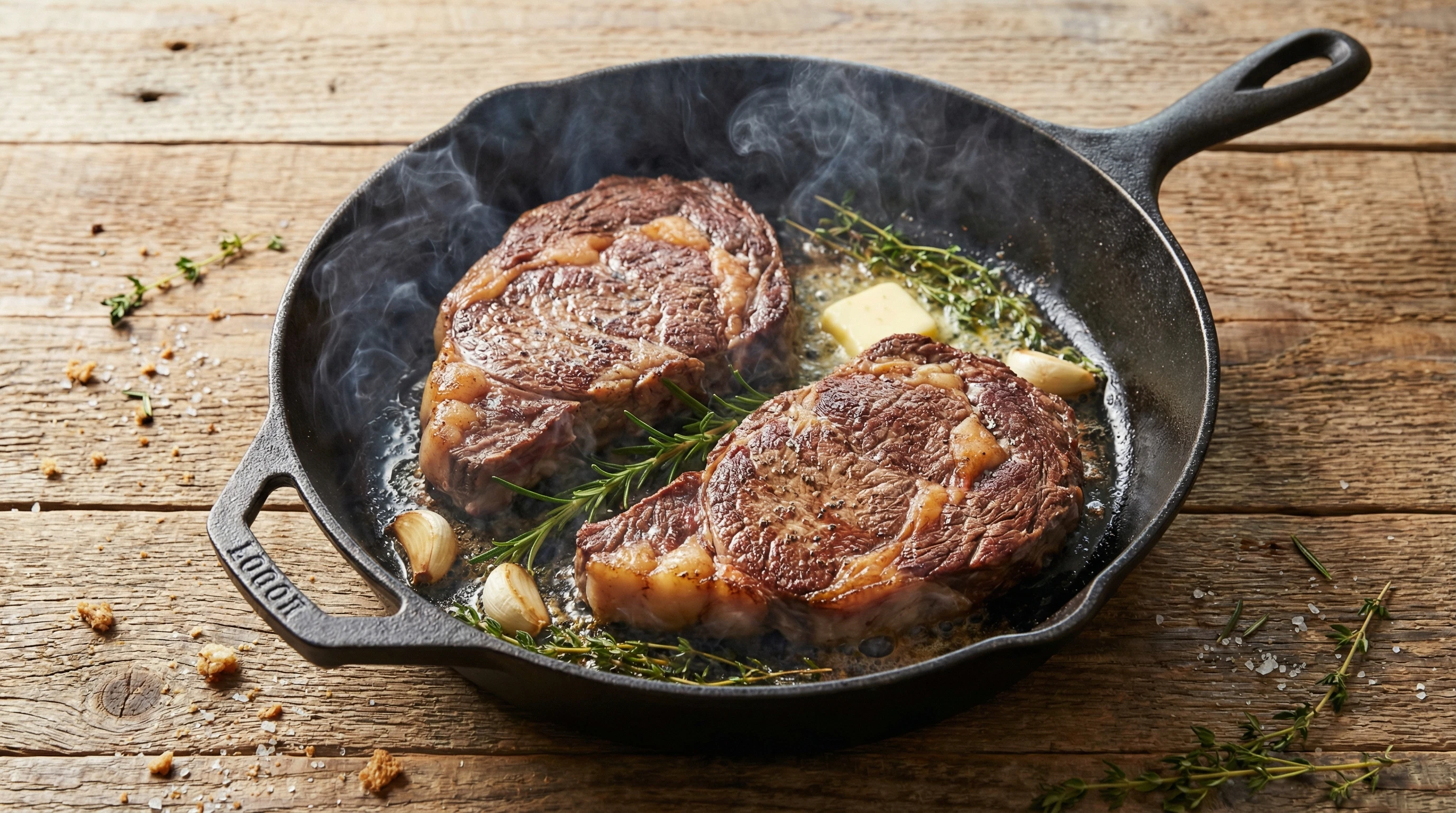
- For Steaks: I go with a cast iron pan or BBQ on mediumhigh heat, but only for a quick sear. Then I finish cooking on low or even in the oven at about 275°F. A digital thermometer is pretty handy for checking doneness. I pull steaks at 125°F for rare, 135°F for medium rare. Patience pays off, and you get a better crust with a tender center.
- Braises and Roasts: Tougher cuts really shine in stews or roasts. I like to brown the meat first, then simmer it gently in broth or wine in a covered pot at 275–300°F until it’s forktender. It usually takes a little less time than conventional beef, so check sooner than you normally might. Adding root veggies and fresh herbs during the braise brings out even more hearty flavours.
- Ground Beef: Leaner ground beef cooks quickly. I add a bit of oil to the pan to keep it from sticking and avoid over-browning. For burgers, mixing in some grated onion or a touch of olive oil keeps things juicy. Also, avoid pressing down on burgers while cooking so you don’t squeeze out the juices.
Key Points To Remember For Perfect Grassfed Beef
- Fat Content: Grassfed beef is naturally lean. Add a bit of butter, ghee, or oil when searing or grilling to lock in moisture. For steaks, a finishing brush of garlic butter can brighten up the final bite.
- Lower Cooking Temps: Both stovetop and oven temps should be a notch lower than you might choose for grainfed beef—slow and steady wins here.
- Don’t Forget To Rest: Letting your beef rest for at least 5–10 minutes after cooking gives the juices time to redistribute, making for a juicier slice.
- Slice Against The Grain: For roasts and steaks, cutting across the grain helps the beef feel more tender with every bite. Get used to spotting the grain before you slice.
Cut by Cut: My Favourite Grassfed Cooking Methods
- Striploin or Sirloin Steaks: Sear 2–3 minutes each side in a hot pan with butter, then finish in a 275–300°F oven until just reaching your preferred doneness. Rest before slicing.
- Ribeye: Best grilled or panseared using medium heat. Baste with melted butter and fresh garlic for extra flavour, and make sure not to overcook it—pull it early and let it rest.
- Brisket: Settle this one in a slowcooker or Dutch oven with onions, garlic, and broth for 3–4 hours on low. It comes out super tender and loaded with flavour. You can also add carrots or parsnips for an added veggie boost.
- Chuck or Round Roast: Brown the beef, add aromatics and liquid, and roast covered in the oven on low heat. Always slice thin against the grain to keep things tender and easy to chew.
Common Mistakes With Grassfed Beef (And How to Avoid Them)
- Overcooking: This beef moves from juicy to dry fast. Err on the side of less time—use a thermometer for accuracy, especially if you’re new to grassfed cuts.
- Cooking Straight from The Fridge: Letting the meat warm up before cooking is super important for even cooking and avoiding a cold, tough center.
- Skipping the Rest: Skipping the post-cook rest period means the juices leak out onto your cutting board. Give it those extra minutes!
- Using The Wrong Method For The Cut: Lean steaks need quick, hot searing. Tougher cuts need low, slow heat and plenty of moisture, so choose your cooking method to match the cut.
Advanced Tips For Real Grassfed Beef Lovers
After plenty of meals, I’ve picked up a few tricks for seriously tasty grassfed beef:
- Try Reverse Searing: Slow-cook your steak in a low oven to just under your target temp, then finish with a quick, hot sear for a perfect crust without overcooking the inside.
- Salt Early: Sprinkle salt at least 40 minutes in advance. This draws out moisture, then lets it get reabsorbed for a more evenly seasoned steak. It also helps build a next-level cool crust for those panseared steaks.
- Experiment With SousVide: If you have one of these water bath gadgets, grassfed beef stays super juicy and tender. I usually set it to 129°F for medium-rare, then finish on the pan with butter and herbs for extra flavour.
- Use Bone Broth: For braises, using homemade bone broth brings way more depth than water and pulls out savoury notes that shine in every bite.
Choosing and Storing Grassfed Beef In Canada
Not all grassfed beef is created equal. I look for Canadian beef with local rancher info, which often means fresher product and less travel time to your plate. Some things to watch for:
- Look for Trusted Certifications: Keep an eye out for labels like “100% grassfed” or thirdparty certifications to make sure you’re actually getting what you pay for. Direct farm websites can be a goldmine for info.
- Fresh or Frozen? Frozen is fine—grassfed beef freezes really well. Thaw it overnight in the fridge for best texture and even cooking.
- Proper Storage: Use it within a few days if fresh, or freeze it for up to 12 months. Airtight packaging helps prevent freezer burn and keeps flavours bright.
Frequently Asked Questions
How do you keep grassfed beef tender?
If you keep temps low, add a touch of fat, and don’t overcook it, grassfed beef turns out tender most of the time. For steaks, resting after cooking helps a lot, and for roasts, slicing thin across the grain does wonders.
Is grassfed beef healthier than regular beef?
Studies show it usually has more omega-3s, CLA, and sometimes more antioxidants. It’s also free of added hormones and antibiotics more often, but it’s always smart to check with the farmer or processor.
Does grassfed beef taste different?
Yes, it has a beefier flavour, and some people say it’s a bit earthy or richer. Friends of mine who switched over say they notice the difference right away, especially in steaks and burgers.
Can I use grassfed beef in regular recipes?
You can. Just keep in mind that leaner beef might need a little extra oil, and watch the cooking time closely so you don’t end up with dry or tough results.
Grassfed Beef: The Bottom Line
Cooking with grassfed beef means a few changes in the kitchen, but it rewards you with deeper flavours and a unique eating experience. It’s a great pick for Canadians wanting something different or looking for beef with a better nutritional profile. Taking your time, adjusting for leaner cuts, and trusting your thermometer are the best ways to nail it every time. There’s room for creativity, too—herb butters, seasonal roasted vegetables, or hearty root sides make grassfed beef dinners feel truly special, whether it’s a holiday roast or a weeknight steak.
Once you get the hang of it, grassfed beef really brings something special to the table. Whether it’s a summer steak on the grill or a cosy winter braise, these tips keep the results way more delicious and satisfying. Dig into the adventure of grassfed beef cooking, and enjoy the truly rewarding meals waiting at the end.