Grassfed beef is steadily gaining popularity with people who want to eat cleaner and support their local farms. I’ve spent some time learning the differences between grassfed and grainfed beef, and honestly, it’s surprising how much the farming method matters for both your health and the environment. I’ll break down the top 10 health benefits of grassfed beef, share why locally farmed options matter, and give you some tips on choosing the best quality beef for your meals.
Why Grassfed Beef Deserves a Spot On Your Plate
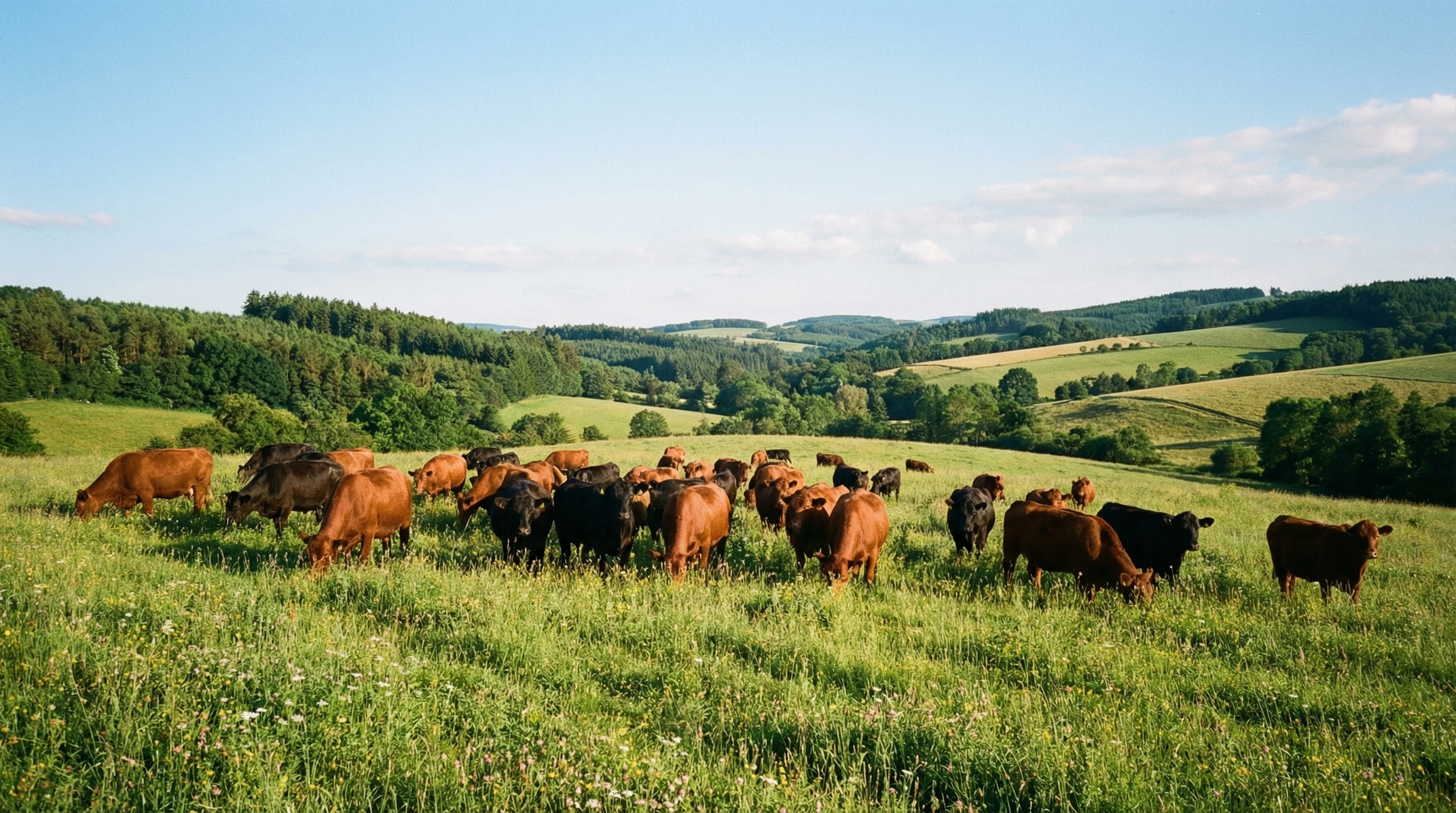
Beef is a big part of many diets, but not all beef is the same. Grassfed beef comes from cows that eat mostly grass and natural forage instead of corn or soy, which you’ll find in most conventional, grainfed beef. There’s solid research, including USDA and Mayo Clinic resources, explaining the nutritional changes this makes. The switch from grain to grass changes the fatty acid profile, micronutrients, and even the flavor of the beef you put on your plate.
Grassfed beef isn’t just about what the cows eat; it’s about animal welfare, environmental impact, and supporting local farmers. Local farms that raise grassfed cattle often avoid hormones and unnecessary antibiotics, creating a product I feel better about buying (and eating).
Top 10 Health Benefits of Grassfed Beef
- More Omega-3 Fatty Acids: Grassfed beef has way more omega-3s compared to grainfed beef. These healthy fats are great for your heart, may help lower inflammation, and even support brain health. I like that you can boost your omega-3 intake just by swapping out regular ground beef for the grassfed option.
- Lower in “Bad” Fats: You’ll find less total fat in grassfed beef, and the fat that’s there has a nicer balance. Studies show grassfed beef tends to have a lower ratio of omega-6 to omega-3 fats, which is really important if you want to keep inflammation down in your body.
- Loaded With Antioxidants: Grassfed beef usually has more antioxidants, especially vitamin E, betacarotene, and glutathione. These nutrients help your body fight off free radicals and can support healthy cells over time.
- Rich in Conjugated Linoleic Acid (CLA): CLA is a fat found mostly in meat from animals that eat grass. There’s ongoing research, but some people say CLA supports weight management and might even help your immune system.
- No Added Hormones or Unnecessary Antibiotics: Most local grassfed farms avoid adding hormones or giving their animals unnecessary antibiotics. This means fewer residues in your meat and less risk of contributing to antibiotic resistance. I always check the label or ask my local butcher to be sure.
- More Vitamins and Minerals: Grassfed beef is a great source of vitamin A, vitamin E, and minerals like zinc, iron, and selenium. You get a more nutrient dense cut of meat compared to conventionally raised options.
- Better Protein Quality: Protein is protein, right? It turns out grassfed beef has all the essential amino acids, just like grainfed, but studies suggest the overall protein quality might be higher due to less fat marbling and different muscle development.
- Supports Better Blood Sugar: Some research hints that the phytonutrients and healthy fats in grassfed beef could help keep blood sugar levels steady, especially when swapped for highly processed meats.
- Improved Taste and Texture: This one’s a personal favorite. I find that grassfed beef usually tastes richer, with a real “beefy” flavor, and the texture is firmer. Many chefs and home cooks have told me they agree; it’s just more satisfying, especially for steaks and burgers.
- Supports a Healthy Gut: The balance of fats and micronutrients in grassfed beef could support your gut health, especially by reducing inflammation and giving your body more of the building blocks it needs for strong digestion. I noticed I feel better digestively after eating grassfed compared to some storebought options.
Benefits of Supporting Locally Farmed Beef
Choosing locally farmed grassfed beef means you’re getting fresher meat with a smaller carbon footprint. Local farms often use environmentally friendly practices like rotational grazing, which is better for soil health and reduces the use of synthetic fertilizers. When I buy from a local farm stand or butcher, I feel good knowing exactly where my food comes from.
Locally farmed beef also helps build stronger communities. Money spent at a local farm usually goes straight back into the area, supporting jobs and local families. Plus, many small farms provide extra details about how their animals are raised and what they’re fed, so there’s more transparency and trust. Several sources, such as the American Grassfed Association, have handy directories to locate local farms in your region. As an added bonus, supporting local means that you often get to know your farmers personally, strengthening your relationship with the food you eat and the people who raise it.
Common Questions People Ask About Grassfed Beef
Is grassfed beef really healthier than grainfed beef?
Based on nutrient profiles and independent studies, grassfed beef usually offers more omega-3s, CLAs, and antioxidants, which are all good things for your health. You may also avoid additives found in some conventional meats.
Does grassfed beef cost more?
Typically yes, because it takes longer to raise the cows and small farms have higher operating costs. I think of it more as an investment in quality and local agriculture.
How do I know if I’m really buying grassfed beef?
Labels can be confusing. Look for “100% grassfed” or ask the seller if their beef is grassfinished too (it means the cows ate grass their whole lives, not just at the beginning). Certifications from groups like AGA (American Grassfed Association) can help you find trustworthy options.
Key Things to Know Before You Buy Grassfed Beef
- Price and Availability: Grassfed beef can cost more, and it’s not always at your regular grocery store. Local farmers markets, community coops, and some online retailers carry it.
- Cooking Differences: Grassfed beef often cooks faster and can dry out if you’re not careful, since it’s a bit leaner. I recommend using lower heat and shorter cooking times. Marinades and resting your meat before serving make a big difference.
- Check for Certifications: The term “grassfed” isn’t regulated everywhere, so independent certifications like USDA Organic, AGA, or Food Alliance badges are pretty handy when comparing choices.
- Ask Questions: Don’t be shy about chatting with your butcher or farmer to get details about farming practices, animal diet, and any use of hormones or antibiotics. I’ve found most local sellers happily share details.
What Makes Locally Farmed Grassfed Beef Stand Out?
Local grassfed beef is usually raised with more care. Cows roam pastures, eat a natural diet, and have lower stress; factors that improve both nutritional quality and flavor. Environmental benefits also come into play, especially less transportation and investment in healthy soils.
- Animal Welfare: Pastureraised cattle have more space to move, which means happier, healthier animals and reduces the risk of disease spread.
- Transparency: Small, local farms often welcome visitors or share farm tours, so you can see the cattle and get a real sense of how your food is produced.
- Flavor: Cows eating seasonal grasses from local pastures take on subtle flavors from those plants, which I think makes the eating experience a lot more special than standard grocery store beef.
Another thing to appreciate is the adaptability of local farms. When farmers can switch up rotational grazing schedules or adjust to weather, the animals benefit and so does the land. This hands-on approach helps keep pastures diverse and productive, improving both food quality and the environment simultaneously.
Simple Ways to Start Eating More Grassfed Beef
Adding grassfed beef to your meals doesn’t have to be complicated. I like to swap it into my favorite recipes—tacos, burgers, slow cookers, or stir fries—and I honestly don’t miss the supermarket stuff. Even picking one or two grassfed steaks or roasts a month can make a difference in your diet and support your local farms at the same time.
Some local butchers offer subscriptions or discounts for bulk purchases, so you can stock your freezer while saving money in the long run. If you’re not sure where to start, ask what cuts are available or try a sampler pack. You can also join meat CSAs or connect through farmer coops that let you order online and pick up locally. Trying different cuts and cooking methods, like slow roasting or grilling, helps you find new favorites.
To really make the most of your grassfed beef, pair it with local, seasonal vegetables. This not only gives your meals a nutrition boost but also celebrates what your region has to offer. Recipes made with both local beef and produce often taste fresher and more satisfying.
Final Thoughts
Grassfed beef gives you a healthier, tastier, and more sustainable option for your table. From higher omega-3s to better animal care and stronger local communities, it’s pretty clear why grassfed beef is worth checking out. I always enjoy supporting farmers I trust and knowing what I’m eating is doing my body some good. If you haven’t tried local grassfed beef yet, consider giving it a shot at your next meal—the difference in taste and impact might surprise you and it’s a choice that supports your health, your community, and the planet, all at once.